Loading...

Loading...

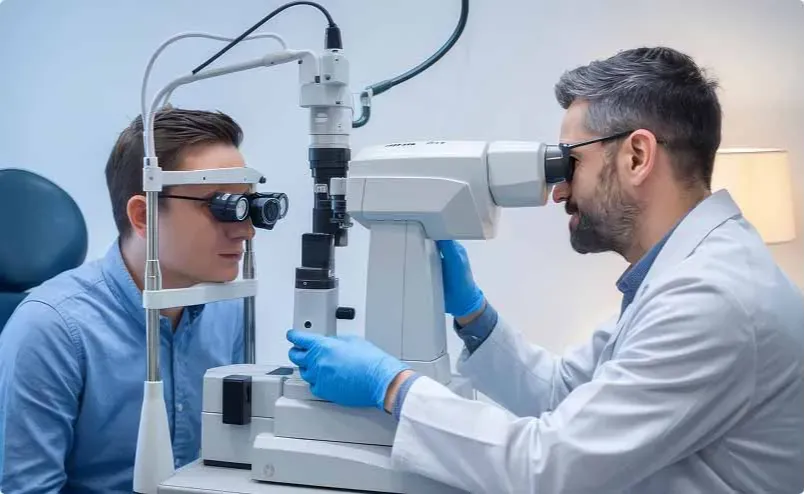
Skyline Hospitals Eye Centre – Advanced Diagnosis & Eye Surgery
At Skyline Hospitals Coventry, we offer rapid access to senior consultant ophthalmologists for a full range of eye conditions – from cataracts and vision correction to retinal surgery, glaucoma and cosmetic eyelid procedures. With on-site diagnostics and advanced surgical theatres, we deliver precise, high-quality eye care tailored to your needs.
Book a private eye consultation today – no referral needed.
Explore our wide range of specialised medical services designed to provide treatments. We are here to support your health journey.



Appointments available within days. Self-pay or insured welcome.

LOCATION & BOOKING
Central location with easy access and parking
Call us on 02475100354

Explore our wide range of specialised medical services designed to provide treatments. We are here to support your health journey.